
 By
By 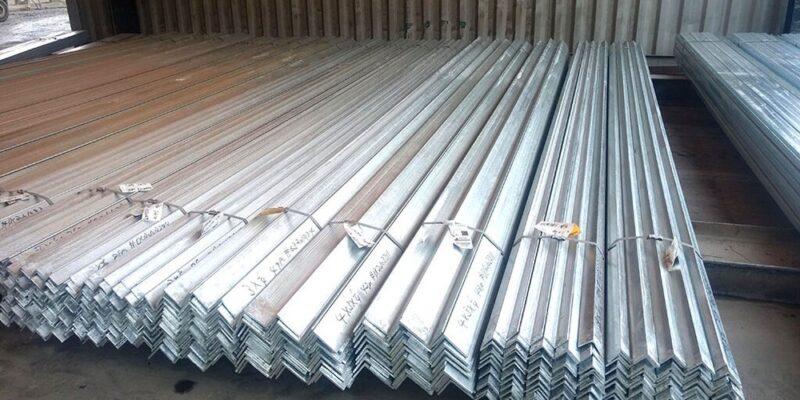
Steel pipe and tubing can pile up in storage yards, tying up capital and taking up precious space. For anyone in construction, manufacturing, or infrastructure, surplus inventory is both an opportunity and a headache. Knowing how to manage it smartly can make the difference between profit and loss.
Understanding Surplus Steel Pipe and Tubing Inventory
Steel distributors and contractors often find themselves sitting on far more pipe and tubing than they actually need. This surplus can arise after project changes, over-ordering, or simply fluctuating demand. In the steel industry, “surplus” goes beyond leftovers; it includes prime overstock, used materials, and odd lots that won’t be used soon.
Common causes include rushed procurement to avoid project delays, inaccurate forecasting, or unexpected job cancellations. Sometimes, new codes or client preferences dictate a switch to a different grade or dimension, leaving perfect material stranded in the warehouse.
The financial consequences can be significant. Idle inventory locks up working capital, incurs storage costs, and can even degrade in value. Operationally, overcrowded yards make it harder to find usable material, slow down projects, and increase the risk of damage or safety incidents.
Strategies for Efficient Inventory Management
A strong surplus management plan starts with anticipating needs. Accurate forecasting, based on previous project data and market trends, helps reduce the odds of overbuying. It’s equally important to review inventory regularly, so slow-moving stock can be identified before it becomes obsolete.
A robust tracking system is the heart of modern inventory control. Digital solutions make it possible to monitor every pipe’s grade, size, and intended use. This categorization streamlines both retrieval and resale, while reducing waste. Just-in-Time (JIT) and lean inventory principles, borrowed from manufacturing, can be adapted: keep only what you need for near-term jobs, and move surplus quickly to avoid buildup.
Optimizing Storage and Handling Practices
Crowded storage yards are breeding grounds for inefficiency and risk. Pipes and tubes should be stacked and separated by size, grade, and application. Use racks and cradles that prevent bending or point-loading, which can damage even sturdy steel.
Corrosion and surface damage are the silent killers of inventory value. Store pipe off the ground, shielded from water and extreme weather, and use coatings or end caps when possible. Regular inspections and rotation ensure that older stock is used first, reducing losses.
Safety is paramount. Heavy steel demands clear protocols for lifting, moving, and stacking. Training staff and using proper equipment prevent accidents and keep insurance premiums in check.
Technology gives an extra edge. RFID tags and barcoding automate tracking and auditing, making it nearly impossible for valuable material to get lost in the shuffle.
Maximizing Value from Surplus Inventory
Sitting on surplus steel is wasted potential. The shrewdest companies view every extra length as a value opportunity. Some surplus can be redistributed within your own projects or repurposed for different applications. For material that doesn’t fit your future jobs, tapping into resale marketplaces or specialized buyer networks can quickly turn idle stock into cash.
Connecting with established surplus distributors is a smart move. For example, Stealth Pipe and Steel stands out for its ability to match buyers and sellers of surplus, used, or odd-lot pipe and tubing across North America. Their deep inventory and industry expertise help move product efficiently while ensuring it meets the right specs for new projects.
Services like cutting, welding, beveling, and coating can make surplus material even more attractive to potential buyers, increasing the likelihood of a quick sale at a favorable price.
Case Studies and Real-World Applications
Many companies have found success by investing in inventory management improvements. One construction firm in Quebec reduced carrying costs by 30% within six months simply by switching to digital inventory tracking and building relationships with surplus buyers. In another case, a pipeline contractor avoided scrapping thousands of feet of unused pipe by having it reprocessed and resold, recovering nearly 60% of the original purchase price.
The most valuable lesson from these stories? Proactive surplus management pays off both financially and operationally.
Future Trends in Steel Pipe and Tubing Inventory Management
The steel industry is embracing digital transformation at every link in the supply chain. Automation, AI-powered demand forecasting, and real-time inventory dashboards are making it easier than ever to avoid overstock and underutilization.
Sustainability is also reshaping surplus management. Reusing, repurposing, and efficiently reselling steel supports circular economy models and reduces environmental impact. The best operators see surplus not as waste, but as a resource to be optimized.
As global supply chains face more volatility, flexible inventory management strategies will become essential. The organizations that adapt quickly, leveraging both technology and partnerships, will turn surplus steel from a liability into a strategic asset.







Comments