
 By
By 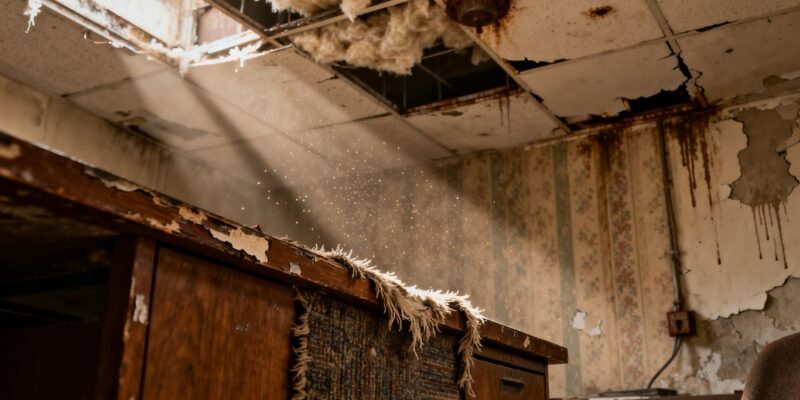
The Persistent Threat in Aging Structures
Asbestos, a mineral once widely used for its heat-resistant and insulating properties, continues to pose a significant health risk in many older buildings. Its widespread application in construction materials means that even structures not directly involved in industrial processes can harbor this hidden danger. The danger lies in the microscopic fibers released when asbestos-containing materials are disturbed. These fibers can remain airborne for extended periods, making them easily inhalable. This persistent threat means that individuals working in or around aging structures, regardless of their specific occupation, may face unintended exposure. The slow-acting nature of asbestos-related diseases means that damage can occur long before symptoms appear, making awareness and caution paramount.
Occupational Risks Beyond Traditional Industries
While industries like construction and manufacturing have long been associated with asbestos exposure, the reality is far broader. Many office environments, schools, and commercial spaces built before the 1980s contain asbestos in their building materials. Workers in these settings, including administrative staff, maintenance personnel, and even educators, can be exposed when these materials degrade or are disturbed. This exposure can happen through:
- Routine wear and tear of building components.
- Activities like cleaning, repairs, or minor renovations.
- Disruption caused by building system maintenance, such as HVAC work.
This broadens the scope of occupational risks considerably, highlighting that asbestos exposure is not confined to a few specific job types. Understanding this wider reach is key to protecting a larger workforce.
Long-Term Health Consequences of Inhalation
The inhalation of asbestos fibers can lead to severe and often fatal health conditions, developing years or even decades after the initial exposure. The body has difficulty expelling these fibers, which can cause chronic inflammation and scarring in the lungs. The most well-known conditions include:
- Mesothelioma: A rare but aggressive cancer that affects the lining of the lungs, abdomen, or heart.
- Asbestosis: A chronic lung disease characterized by scarring of lung tissue, leading to shortness of breath and reduced lung function.
- Lung Cancer: Asbestos exposure significantly increases the risk of developing lung cancer, even in individuals who have never smoked.
These serious health outcomes underscore the importance of minimizing exposure and taking preventative measures in any environment where asbestos may be present. For those concerned about past exposure, seeking medical advice is a critical step after potential exposure.
Hidden Dangers in Commercial and Office Spaces
Asbestos in Building Materials of Older Offices
Many commercial buildings and offices constructed before the 1980s likely contain asbestos-containing materials (ACMs). These materials were popular for their fire-resistant and insulating properties. Think about things like ceiling tiles, floor tiles, insulation around pipes and boilers, and even some types of adhesives and paints. The danger isn’t always obvious because these materials are often hidden within the building’s structure. Over time, these materials can degrade, especially if the building isn’t well-maintained or if it experiences minor disturbances. When ACMs break down, tiny asbestos fibers can be released into the air. These fibers are microscopic and can easily become airborne, posing a risk to anyone working or spending time in the building.
Risks for Office Workers and Maintenance Staff
While office workers might not be directly handling asbestos, they can still be exposed. The fibers can travel through ventilation systems, settling in common areas or individual workspaces. Maintenance staff, however, face a higher risk. Their jobs often involve working in areas where ACMs are present, such as mechanical rooms, basements, or during minor repairs. Activities like changing air filters, fixing leaks, or even just cleaning can disturb these materials. For instance, cleaning dust from surfaces where asbestos fibers have settled can re-release them into the air. It’s a silent threat that can affect anyone within these older structures, but those performing regular upkeep are particularly vulnerable.
Exposure During Renovations and HVAC Work
Renovation projects and work on heating, ventilation, and air conditioning (HVAC) systems are prime times for asbestos exposure in offices. When walls are opened, ceilings are disturbed, or old ductwork is accessed, asbestos materials can be easily agitated. Cutting into or drilling through materials that contain asbestos releases a significant amount of fibers. This is why professional asbestos abatement is so important before any major work begins. Without proper precautions, even seemingly small jobs can lead to widespread contamination. Workers involved in these tasks, including construction crews, electricians, and HVAC technicians, are at the highest risk of inhaling these dangerous fibers. It’s a situation where the risk is amplified due to the disturbance of materials that have been stable for decades. Understanding the potential presence of asbestos in older buildings is key to preventing occupational risks beyond traditional industries.
Specific Occupations at Risk
While asbestos exposure might seem like a problem confined to historical industrial settings, the reality is that many professions continue to face risks, particularly when working with older structures. The danger often lies in disturbing materials that have been in place for decades.
Several job roles place individuals in situations where they are more likely to encounter asbestos fibers:
- Construction and Demolition Professionals: Workers in these fields are at the forefront of disturbing aging building materials. Tasks like demolition, renovation, or even simple repairs in buildings constructed before the 1980s can release asbestos fibers. This is especially true when dealing with insulation, ceiling tiles, floor tiles, and pipe wrap. For those involved in tearing down or modifying older structures, understanding the potential presence of asbestos is key. Professionals in this sector may benefit from seeking legal advice for asbestos exposure if they develop related illnesses.
- Mechanics and Skilled Trades: This category includes a wide range of workers such as plumbers, electricians, pipefitters, and mechanics. When these professionals work on older plumbing systems, heating units, electrical insulation, or machinery, they can disturb asbestos-containing materials. For instance, old pipe insulation or gaskets can release fibers when handled or worked around. Even routine maintenance can become an exposure event if asbestos is present and disturbed.
- First Responders and Emergency Personnel: Firefighters, police officers, and other emergency responders face unique risks. When entering older buildings for any reason – fires, medical emergencies, or other incidents – they may inadvertently disturb asbestos materials. The very act of breaking into a structure or dealing with damage can release fibers into the air. Unlike planned construction work, these situations often lack the opportunity for pre-incident testing or protective measures, making awareness of potential hazards in older buildings particularly important. This risk extends to various settings, including older commercial buildings and even some industrial sites where asbestos exposure is a known hazard.
The Role of Aging Infrastructure
Many older buildings, including offices and public spaces, were constructed during a time when asbestos was a common building material. As these structures age, the materials containing asbestos can begin to deteriorate. This breakdown is a primary reason why asbestos exposure remains a concern today, even in environments not traditionally associated with industrial hazards.
Deterioration of Asbestos-Containing Materials
Asbestos was incorporated into a wide array of building products for its insulating and fire-resistant properties. Think about insulation, ceiling tiles, floor tiles, and pipe wrap. Over time, these materials can degrade due to wear and tear, moisture, or simple aging. When asbestos-containing materials (ACMs) deteriorate, they can become friable, meaning they crumble easily. This crumbling action releases microscopic asbestos fibers into the air. These airborne fibers are the main pathway for exposure.
Release of Fibers During Building Disturbances
Even in seemingly stable older buildings, asbestos fibers can be released when materials are disturbed. This disturbance can happen in several ways:
- Renovations and Remodeling: Any work that involves cutting, drilling, sanding, or removing old building materials can stir up asbestos fibers. This is particularly risky during renovations of older office spaces where ACMs might be hidden within walls or ceilings.
- Maintenance Activities: Routine maintenance, such as cleaning ventilation systems or repairing plumbing, can also disturb asbestos-containing insulation or coatings. For example, work on aging piping systems could lead to exposure [8721].
- Natural Disasters: Events like fires, floods, or earthquakes can damage buildings, breaking apart ACMs and scattering asbestos fibers over a wide area. This poses a risk not only to building occupants but also to first responders and cleanup crews.
Public Buildings and Educational Institutions
Public buildings, including government offices, schools, and universities, are often among the oldest structures in a community. Many were built before the widespread regulation of asbestos. Consequently, these institutions frequently contain significant amounts of asbestos in their construction. Maintenance staff, custodians, and renovation crews working in these environments face a heightened risk of exposure. Furthermore, students and office workers can be exposed if asbestos fibers become airborne and circulate through ventilation systems, impacting air quality over the long term [052a].
Mitigating Asbestos Exposure at Work
Addressing the risks associated with asbestos in older workplaces requires a proactive and informed approach. The key to minimizing exposure lies in careful management and professional intervention.
Several strategies are vital for protecting workers:
- Professional Abatement: When asbestos-containing materials (ACMs) are identified, especially if they are damaged or will be disturbed, professional abatement is necessary. This involves trained and licensed specialists who follow strict protocols to safely remove or encapsulate the asbestos. This process often includes thorough preparation, such as wet-wiping and HEPA vacuuming of surrounding areas to prevent fiber spread. For commercial asbestos removal, these steps are critical to maintaining a safe environment.
- Worker Protective Measures and Training: For any work that might involve potential asbestos exposure, proper personal protective equipment (PPE) is non-negotiable. This includes respirators fitted correctly and protective clothing. Equally important is comprehensive training that educates workers on the hazards of asbestos, safe work practices, and emergency procedures. An Operations and Maintenance (O&M) program can provide a structured plan for managing ACMs, including regular training for personnel.
- Awareness and Building Material Testing: Building owners and managers play a significant role. Regular inspections and testing of building materials are important, particularly in structures built before the 1980s. If there’s any doubt about a material containing asbestos, it should be treated as if it does until tested by a qualified laboratory. This awareness helps prevent accidental disturbance of hazardous materials during routine maintenance or minor repairs.






Comments