
 By
By 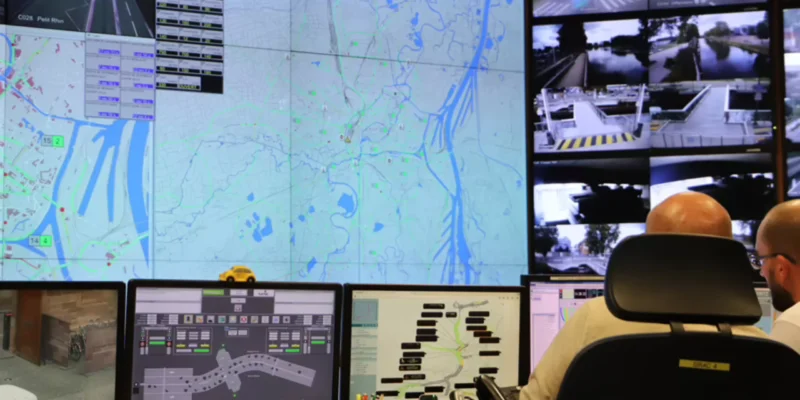
Orange cones and neon vests signal something familiar to every commuter: the intersection of safety and efficiency on our roads. But beneath the surface of every carefully placed barricade lies an evolving science driven by data, technology, and decades of lessons learned. Recent studies paint a vivid picture of how far traffic control has come, and where it’s heading next.
Early Approaches to Traffic Control: Foundations of Safety and Efficiency
Before digital sensors and smart algorithms, traffic management was a matter of common sense and manpower. Cities relied heavily on manual flagging, especially on two-lane roads or during utility work, where redirecting vehicles meant stationing workers at either end. While effective to a degree, these early approaches were highly dependent on human judgment and exposed workers to significant risk.
As road networks grew, so did the complexity of managing them. Simple cones and “slow/stop” paddles worked in rural settings, but dense urban environments posed new challenges, longer queues, impatient drivers, and increased accident potential. Persistent congestion and inconsistent worker training highlighted the limitations of this manual era.
Integration of Technology: From Manual to Automated Systems
The introduction of coordinated traffic signals in the mid-20th century marked a turning point. Suddenly, intersections could handle changing demand throughout the day. Later, sensors buried in the pavement or mounted on poles began collecting real-time data, allowing urban planners to adjust signal timing based on actual traffic flows rather than rigid schedules.
Permitting processes also evolved. Municipalities started requiring detailed traffic control plans, especially for larger projects. Companies now needed to map out lane closures, detours, and signage to secure road occupancy permits. This step improved both safety and efficiency, reducing delays and confusion for drivers and workers alike.
Modern Innovations Driving Traffic Control Efficiency
Today’s work zones are a world apart from their predecessors. Adaptive traffic management systems use live data from cameras and sensors to adjust flows in real time, reducing bottlenecks and improving predictability. Artificial intelligence and machine learning power these systems, analyzing vast volumes of information to make split-second decisions that humans simply cannot.
Flagging has also transformed. Enhanced training protocols, robust safety gear, and clear communication standards have slashed accident rates. Specialized companies lead this charge; organizations like Salus Traffic Control bring not only technical expertise but also a focus on continuous improvement and customization. Each project gets a bespoke plan, ensuring compliance with evolving standards and maximizing both safety and efficiency.
Case Studies: Evolution of Traffic Control in Ontario
Ontario has seen firsthand how these changes impact real-world projects. Firms specializing in traffic solutions have contributed to safer work zones and more punctual project completion. For example, advanced lane closure strategies on major throughways have become textbook cases in balancing worker safety and minimizing disruption.
Successful projects often share several best practices:
– Comprehensive pre-project risk assessment
– Real-time monitoring of traffic conditions
– Flexible lane closures responding to congestion patterns
Customized traffic control plans are particularly critical for complex, high-profile projects. Instead of relying on “one-size-fits-all” templates, these plans account for local conditions, weather, and even community events, ensuring each closure or detour serves both workers and the public.
Current Challenges and Safety Concerns
Despite impressive gains, the tension between efficiency and safety remains. Every minute saved on roadwork boosts productivity, yet cutting corners can amplify risks. High-traffic corridors present unique hazards; here, visibility, speed management, and clear detour signage become non-negotiables.
Protecting both workers and the traveling public demands vigilance. Studies regularly highlight the need for strict adherence to safety protocols, ongoing training, and the use of reliable equipment. Even with new technology, human oversight remains irreplaceable in critical moments.
Future Trends Shaping Traffic Control Safety and Efficiency
Emerging technologies point toward a future where predictive modeling anticipates congestion before it happens. By integrating traffic management systems with smart city infrastructure, cities can proactively reroute vehicles, alert drivers to delays, or even optimize traffic flows to minimize emissions and environmental impact.
Sustainability is moving to the forefront. Modern traffic control increasingly considers not just safety and speed but also minimizing noise, reducing idling times, and supporting greener urban environments.
Building Trust Through Reliability and Responsibility
At the core of every successful traffic management operation lies a commitment to reliability. This extends beyond equipment to the people on the ground. Rigorous training programs ensure that workers are not just compliant, but highly skilled and adaptable. Open communication with both clients and the public fosters transparency, a key factor in maintaining trust during disruptive projects.
Continuous improvement is more than a buzzword; it’s an expectation. Regularly updating protocols and embracing new technology keeps traffic control companies ahead of the curve, setting new benchmarks for safety and efficiency with every assignment.
Traffic control may seem routine, but it is anything but static. As new findings emerge and technologies advance, the roads we travel become not only faster but also far safer for everyone who uses them.









Comments